

The Case for Slow Eating
In the iconic 1990s movie Clueless, Alicia Silverstone taught me that “Searching for a boy in high school is as useless as searching for meaning in a Pauly Shore movie.” Now as a celebrity turned healthy food advocate, I recently watched an interview with Alicia where she imparted the equally valuable advice to “Eat slowly and chew your food.” Now I don’t know if I’d take all my life advice from Cher Horowitz but she was right about highschool and gosh darnit, it looks like I’m going to listen to her on this one too and here is why...
In the iconic 1990s movie Clueless, Alicia Silverstone taught me that “Searching for a boy in high school is as useless as searching for meaning in a Pauly Shore movie.” Now as a celebrity turned healthy food advocate, I recently watched an interview with Alicia where she imparted the equally valuable advice to “Eat slowly and chew your food.” Now I don’t know if I’d take all my life advice from Cher Horowitz but she was right about highschool and gosh darnit, it looks like I’m going to listen to her on this one too.
I am SO guilty of spending time cooking up a beautiful meal only to inhale it within seconds afterwards. People marvel at the speed at which I can take down a meal. I attribute it to being a nurse and having only a few minutes on lunch breaks to stuff food in my face, but I can’t be sure. What I do know is that it’s a habit I’m trying hard to break for many reasons.
The process of digestion starts when you simply look at the food in front of you. Your body begins to secrete saliva and enzymes in preparation to digest and break down the food you are about to put in your body. By taking the time to slow down, look at, and appreciate the beautiful food in front of you before digging in you are actually setting yourself up to digest and absorb nutrients more efficiently.
It takes time for your stomach to send signals to your brain to indicate that you are full. Devouring your food quickly doesn’t allow enough time for these signals to travel meaning that you keep eating, and eating and eating FOREVER, or until you satisfy your hunger. Eating slowly will cause you to actually take in fewer calories during one meal, and you’ll feel happier doing it.

Slowing down during a meal makes you more present to the whole process rather than shoving something in your mouth impulsively and regretting it later. By paying attention to our food we are more able to appreciate the varying flavors, textures and feelings it can produce. Eating with more presence allows you to enjoy the experience of meals and the company you share them with. Don’t we all deep down want to be beautiful, sophisticated Italians who linger over long meals at giant tables with family and wine? We do. Here are some ideas for how to slow it down…
Chew more. Aim for 20 chews per mouthful. Not only does this action force you to slow down, but it helps break down food to aid in the overall digestive process.
Drink water during your meal. Water helps to fill your stomach while you’re eating so you’ll feel full sooner. It also gives you a break from shoveling that food in.
Put your fork down. Just put it down. Take a moment to sip your wine, talk to friends, and enjoy the experience of nourishing your body with a meal.
Practice mindful eating. You may feel like a big weirdo, but try this exercise in mindful eating. Take the next thing you eat, say a blueberry, and look at it, smell it and touch it. Then take one small bite to pay attention to the taste and texture of it. Seriously, do NOTHING but focus on eating this blueberry in its entirety. Then maybe never do this ever again, but you get the idea. Focusing on being present when eating allows you more connection to your food and your body to identify when you are hungry or full, or how certain foods make you feel.
So practice slowing it wayyyyy dowwwwwn this week and see you how feel!
Send me an email and let me know how this works for you! I would love to hear how it changes the way you think about your meals.
Click the button below to schedule a free 30-minute discovery session to chat with me to see how you can benefit from one-on-one health and nutrition coaching.
xx Christina Tidwell MN, RN

What Should I Eat Today?
There is so much conflicting dietary advice out there. Is fat bad for you? Should I go gluten free? What about cutting out dairy? Does diet coke count as healthy because it’s less calories? It can be overwhelming and contradictory and make it seemingly impossible to answer the simple question, what should I eat today?
There is so much conflicting dietary advice out there. Is fat bad for you? Should I go gluten free? What about cutting out dairy? Does diet coke count as healthy because it’s less calories? It can be overwhelming and contradictory and make it seemingly impossible to answer the simple question, what should I eat today?
The media offers up conflicting evidence on what we should eat based on the latest (read: does not mean best) scientific finding. We hear that low fat is good for us and is the way to lose weight. Then we hear that sugar is really the culprit, and fat is ok. They tell us that all carbs are bad but we hear that whole grains might be a healthy option. We hear a report that coffee drinking can cause cancer and in another report hear that it is harmless and can be beneficial to health. UGH, it’s confusing.
The truth is, it is SO much more simple than all that.
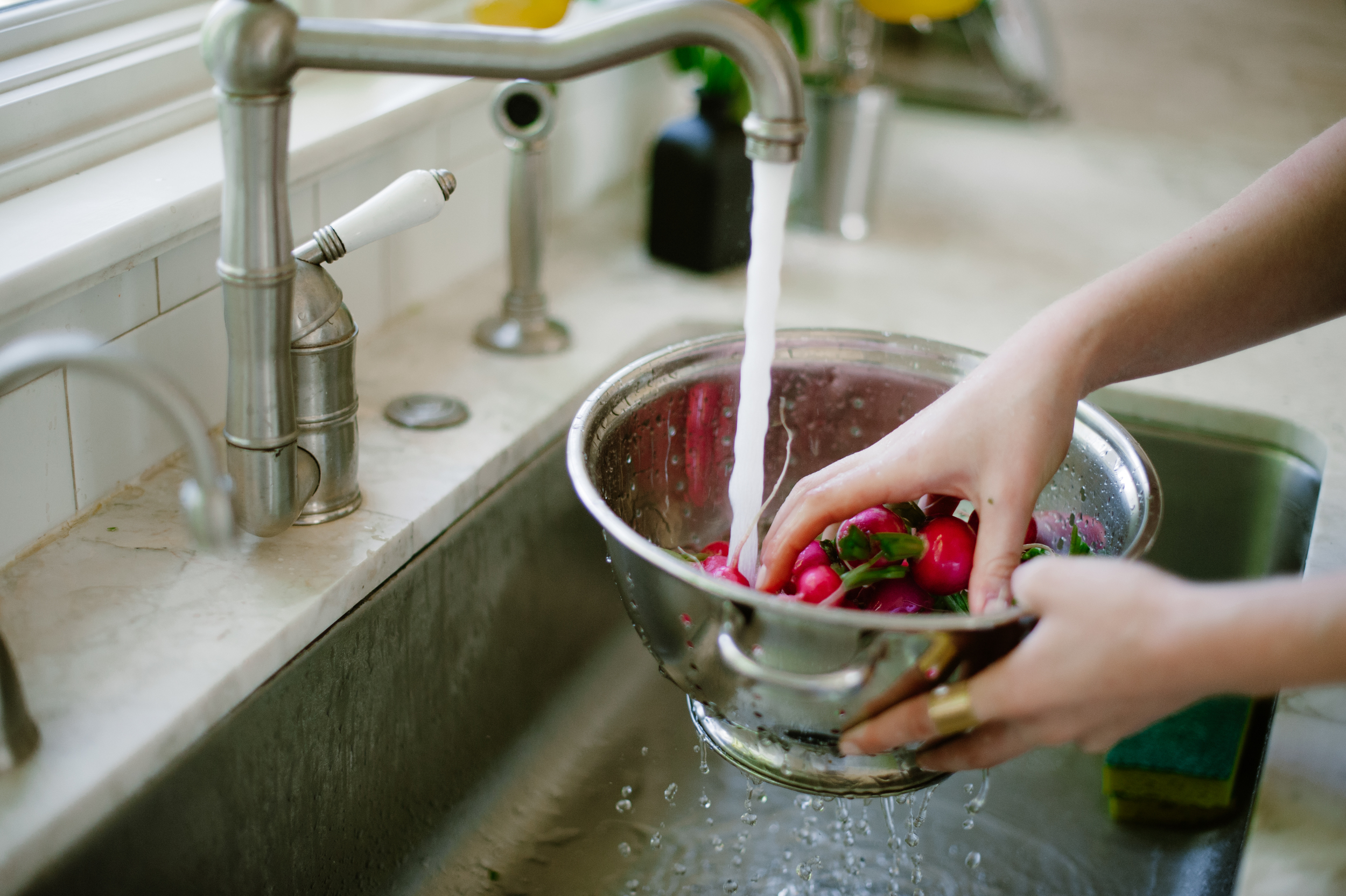
Instead of listening to what “they” say, it’s a good idea to start looking within. We innately know what makes us feel good and what makes us bloated, sucks our energy, and gives us acne. The problem is we have lost our ability to really tune in to what is happening in our own bodies so we think we don’t have any answers ourselves. But we can get it back! In the meantime I’ll give you some clues…..
Eat real, whole foods and lots of vegetables.
By real, whole foods I mean food in its most natural state. This means foods from nature like fresh fruit and vegetables, nuts, beans, meats and fish, and not foods that are refined, processed, or that contain added ingredients. And a variety of fresh vegetables should be consumed on a daily basis because of their amazing nutritional benefits.
It’s very empowering to realize that we do not need to rely on the media, or outside sources to tell us what real, whole foods are. We treat nutrition as a medical specialty and we are highly vulnerable to every study that comes along because we are relying on others to tell us what to eat. We believe that you have to be nothing short of a genius to figure out what to put in your own body. That's a lot of pressure!
The thing is, our bodies already intuitively know what these foods are and naturally thrive off of their fuel. And guess what, you already are an intuitive genius, coooool! We just have to retrain ourselves to start listening to what our gut is telling us.
And right now you’re all, “No, I really don’t know what to eat, help me.” One really helpful way to start the process of tuning in to understand what your body is telling you is to do a three day food log. Write down what you had for every meal and snack, and what symptoms (if any) you had afterwards. It’s a great way to start to pay attention to things you usually ignore like bloating, nausea, cramping, excess gas or pain. This is a great first step into strengthening the connection between what we put into our bodies and how we feel. And we go from there! It's a total journey, so be patient with yourself :)
Want to find out more about how we can work together to figure out a food plan that works best for you? Click the button below to schedule a free discovery session!
xx Christina Tidwell, MN, RN

The Daily Grind
I am a teeth grinder. And if you’ve ever woken up with a sore jaw and headache, are unable to relax your jaw during the day, or have had a sleeping partner wake you up to say “stop making that horrible death sound with your mouth,” then you might be too. Read on to see what finally worked for me!
I am a teeth grinder. And if you’ve ever woken up with a sore jaw and headache, are unable to relax your jaw during the day, or have had a sleeping partner wake you up to say “stop making that horrible death sound with your mouth,” then you might be too.
My clenching and grinding peaked to a whole new level with the stress and anxiety of getting through nursing school. After a chipped molar and months of unrelenting jaw pain and headaches I finally went to a doctor for some guidance. The only solution he offered up was to take a sedative muscle relaxant to relax my jaw and relieve the pain. Muscle relaxants left me in a sleepy, foggy, whacked out state which was not going to work for me when I was trying to pass my nursing finals.
Refusing to believe that hardcore muscle relaxants could be my only option I did what I now know to be crucial to my own health and well being; went and did my own research. I don’t mean googling my symptoms on WebMD, diagnosing myself with incurable jaw cancer and looking for the best jaw cancer specialist in Seattle kind of research, but rather looking for reliable alternatives that fit better with my own personal health needs. In this case I went to speak to a pharmacist at a local drug store about alternatives to muscle relaxants. After I explained my symptoms he immediately handed me a magnesium supplement (I personally buy Nature Calm powder) and instructed me to take the recommended amount daily.
THIS SAVED ME and is the only thing that has ever worked for my clenching and grinding. Replenishing my body with magnesium had amazing effects and I noticed my jaw relaxing and the pain reducing within a week or so.

Magnesium is a dietary mineral that is essential for regulating our nervous, muscular and cardiovascular systems. Deficiencies of magnesium can cause constipation, high blood pressure, muscle cramps and anxiety among other symptoms. Just think of magnesium as a naturally occurring muscle relaxer in our bodies. A chill out mineral. Ideally, we get magnesium from our diets by eating foods like dark leafy greens, nuts and seeds, fish, avocados, bananas, whole grains and beans. Our modern day diets, however, often times lack magnesium so it can be a good idea to supplement your diet with magnesium pills or powder especially if you’re a teeth grinder.
At the grocery store or pharmacy, look specifically for magnesium citrate, chelate, or glycinate and avoid magnesium oxide as it is poorly absorbed and usually the cheapest forms found in supplements. It’s a good idea to start with 200mg to 400mg of magnesium taken at bedtime. The main side effect of too much magnesium is loose stools or diarrhea so if you experience these symptoms just dial back the dose! It’s important to take magnesium daily to get the muscle relaxant effects.
The pressure that grinding and clenching puts on your jaw is akin to having a sprained ankle, meaning it has to gradually heal overtime. So in addition to taking magnesium supplements at bedtime, you can reduce tension by applying warm compresses to your jaw at night, and take moments throughout the day to consciously relax and retrain your muscles. So give it a try! Your teeth (and sleeping partner...) will thank you.
*Magnesium is a safe supplement but it’s not for everyone, so consult you doctor before starting to take supplements especially if you have heart disease or kidney problems to make sure it works with your health needs and current medication regime.
If you want some easy, whole food recipes to start incorporating some of those foods click here to download my free guide to batch cooking >>
You’ll get:
+ 7 day meal plan
+ Step by step instructions for how to cook an entire week’s worth of food in just two 2-hour sessions (life changing)
+ Grocery lists
+ Twelve of my favorite, easy recipes!
Enjoy making delicious and nutritious meals in way less time!
xx Christina Tidwell, MN, RN
![My Story [Part 2]](https://images.squarespace-cdn.com/content/v1/573cbf27c2ea51f428cb5132/1727714153412-Y5W49ZCIAG5L4KQ2G0T6/DSC02807.jpeg)
My Story [Part 2]
The diagnosis of a chronic illness can provide relief at finally having answers to questions, but it is only the starting point in the journey of returning to health again. I began this journey at 18 years old and never imagined all the places it would take me. This discovery is my passion, my purpose, and what I want to share with you! Whether you are living with a chronic illness or simply crave health and balance in your life, I want to guide you and show you how it is possible to find sustainable, attainable health by nourishing your body and mind.
The diagnosis of a chronic illness can provide relief at finally having answers to questions, but it is only the starting point in the journey of returning to health again. I began this journey at 18 years old and never imagined all the places it would take me. This discovery is my passion, my purpose, and what I want to share with you! Whether you are living with a chronic illness or simply crave health and balance in your life, I want to guide you and show you how it is possible to find sustainable, attainable health by nourishing your body and mind.
This is something I will speak in depth about later, but our current health care system in the U.S. does a great job at treating acute illnesses, but fails us in a lot of ways when it comes to treating people with longstanding chronic issues who require a more holistic approach to care. When I was discharged from the hospital I went from doctor to doctor to follow up on what medications I needed to control my fevers now that my diagnosis had changed to Adult Onset Still’s Disease (AOSD). I was on low-dose chemotherapy drugs that were affecting my liver, high-dose steroids that gave me anxiety and made my face puffy. I was miserable and still was unable to find the best treatment for me.
All of the health care professionals I went to were highly skilled in their field and I owe my life to them. They did not, however, seem to take me into account as a person rather than a disease category. I looked to them to give me clues as to how to live my daily life, what to eat to nourish my body, or what other alternative therapies I could try to reduce inflammation in my body or decrease my anxiety, but unfortunately I never got any of this information. I needed so badly for someone to help me and guide me. I am grateful for all the practitioners I had back then. But as time went on and despite their best intentions, it became apparent to my 18 year old self that these people didn't really have the tools to guide me through the process of getting well again. That’s where I had to begin the journey myself.
One day I went to see the nurse practitioner at my rheumatologist's office and after listening to my whole story, the one I’d told a million times, she looked at me and said, “Wow, you’ve been though a lot, how are you doing with all of this?” It stopped me dead in my tracks because this was the first person, out of the dozens of health care workers, who had actually looked at me as a person, not as a diagnosis, and asked this simple question that brought me to tears and changed the course of my life.
From there she began to ask me how my medications were working for me, and how we might alter them to better fit my needs and reduce side effects rather than saying "This is just how it’s done”. She took a leap of faith and started me on a newer injectable medication that ultimately was the only drug that worked to alleviate my symptoms at the time. I no longer have to take any medications, but there was a time where I needed them, and in my approach with my clients I never view it as an “either or” between needing a pharmaceutical and supporting the body holistically.
She never rushed me out of my appointments and listened to how my disease was affecting all parts of my life. She encouraged me to do yoga and exercise to regain the strength I had lost. She suggested stress reduction techniques such as meditation because stress is a major trigger in my disease. She opened my eyes to the idea that I was the one that had control, and by modifying my diet and lifestyle I could learn how to live a life not ruled by my disease.
Because of this influence in my life and my own sparked curiosity, I became a Registered Nurse to be there for people who were really sick. I worked in the Intensive Care Unit, as a Cardiac specialist and in long-term patient rehab and I learned so much about the inner workings of our bodies and medical systems. But there was always a voice, whispering to me that there was even more to healing than this. I wanted to help people before they had the triple bypass surgeries and came to me in recovery and I knew I could.
While others around me found purpose in treating critical injuries and thriving in high adrenaline situations (my poor nervous system!) I was endlessly curious about the illness experience and supporting the person rather than just the body part or diagnosis.
I followed a spark of desire to train as a health coach back in 2015 (not letting the question of what exactly IS a health coach? stop me). As I’m prone to do, I kept studying and gathering knowledge, trained in Functional Nutrition and got certified as a Board Certified Nurse Coach.
I’ve been working with clients since 2015 and have had the honor to support hundreds of individuals and groups to find their path to healing. I’ve also worked as a group coaching mentor for coaches to develop and deliver programs to reach more people.
My own individual health journey has taken me on a wild ride as well, giving me deep reverence for many traditions and forms of medicine from Chinese Medicine to Shamanism to Trauma-Aware Counseling. I believe that we can only help people as much as we have helped ourselves, and over the years my lived experience has helped ground me into the practitioner I am today and develop the type of medicine I have to offer.
That no matter where you are at in life, or how you feel, if you have the smallest inkling that you want to create change and live a healthier more balanced life you have that power. And I would love nothing more than you help you realize this power.
If you want to learn more about how to work together, I always offer complementary 20-minute Discovery Calls so we I can hear your story. Click the button below to book a call. The support you’re looking for is just one step away!