

Sweet Potato Breakfast Hash
In the quest to eat healthy, whole foods, figuring out what to eat for breakfast can sometimes trip us up. We want something quick and easy but don't want to grab a doughnut or cheese croissant on the way to work every day. The key to an awesome, weekday breakfast involves the tiniest bit of meal prepping to set you up for the whole week. I've been loving this Sweet Potato Breakfast Hash lately. I make this on a Sunday, store it and heat it up in the mornings.

Photo by Brynn James (www.etsy.com/shop/brynnjames)
In the quest to eat healthy, whole foods, figuring out what to eat for breakfast can sometimes trip us up. We want something quick and easy but don't want to grab a doughnut or cheese croissant on the way to work every day.
In the mornings before rushing off to start our day, though, we don't always have time to whip up a nice veggie omelette to keep us full and nourished.
So where is the middle ground?
The key to an awesome, weekday breakfast involves the tiniest bit of meal prepping to set you up for the whole week. I've been loving this Sweet Potato Breakfast Hash lately. I make this on a Sunday, store it and heat it up in the mornings. Sometimes I'll even fry and egg and have that on top if I have time. Feel free to mix it up to your liking!
I dare say it's even delicious/impressive enough to make for a weekend brunch with pals! I hope you love it!
Sweet Potato Breakfast Hash
INGREDIENTS
1 sweet potato, chopped into 1 inch cubes
2-3 links organic Italian sausage or breakfast sausage patty (casing removed if it's a link. Chose one without added sugar!)
2 tablespoons coconut oil
2 large handfuls of kale, chopped
3 tablespoons water
Salt and pepper to taste
DIRECTIONS
Heat a skillet over medium heat. Add coconut oil and melt.
Add the chopped sweet potatoes to the pan, stirring to brown, and sprinkle with of sea salt. Cook sweet potatoes for about 7 minutes. Cover the pan to let them soften.
When sweet potatoes are somewhat soft, break the sausage into small pieces (casing removed), add to pan and cook through.
Once the potatoes and sausage are browned, add the kale and 1 tablespoon water to the pan and toss to coat. Cover pan and allow kale to steam.
Add another tablespoon or so of water if needed. Stir together and serve hot!
If you want to chat more about how to incorporate healthy whole foods into your diet successfully and how you might benefit from one-on-one health coaching, click the button below to book in a free 30 minute discovery session to chat. I'd love to hear from you!
With Love,
Christina Tidwell, MN, RN, CHC

Why Does Wellness Have To Be So...Wellnessy?
We live in a world where it’s already difficult to feed ourselves with real, nutrient dense food every day and get enough real rest and sleep. We do not need the idea of health and wellness to be out of reach as well. Wellness is not the latest fad. You do not have to drink mushroom coffee and stuff crystals in your underwear to heal (although, you can if that works for you).
![via Allison Wu [wuhaus.com]](https://images.squarespace-cdn.com/content/v1/573cbf27c2ea51f428cb5132/1507223848689-U7ET1LFSJUOX161YF66K/FullSizeRender+%283%29.jpg)
via Allison Wu [wuhaus.com]
My friend and I have an Instagram message thread titled, “Why does wellness have to be so...wellnessy?” where we share photos we come across of wellness portrayed with the most unrealistic standards.
I’m talking beautiful green tonics surrounded by posed crystal stones meant to enhance the health and wellbeing of the arranger as part of an essential morning routine. A bright pink smoothie bowl with edible f-ing flower petals in it suggested as a great pre-work energy booster. (My pre-work energy boost is sprinting to catch the bus from 3 blocks away holding my Tupperware).
Please don’t get me wrong though, this is nothing against those individuals, their intent, their rituals, and what lights them up at all. Honestly, I am one (I'm drinking a matcha latte as I type this). I am not in the business of passing judgement on anyone’s….. anything really. What’s the phrase, “Don’t go sweeping other people’s front porch before you sweep your own?” I’ve been known to burn sage and Palo Santo before client meetings, drink the greenest of juices, meditate for abundance, almost weep over the beauty of a watermelon radish, and drink coffee with butter and “brain tonic” so I’m as much of a wellness warrior as they come and I’m damn proud of it.
I wonder, though, how these unrealistic and over the top portrayals of wellness are affecting the ability of people to understand and buy into the simple idea of caring for one’s self.
We live in a world where it’s already difficult to feed ourselves with real, nutrient dense food every day and get enough real rest and sleep. We do not need the idea of health and wellness to be out of reach as well.
It’s already overwhelming to even know what the heck to eat every day to be “healthy.” There is so much conflicting dietary advice out there. Is fat bad for you? Whole grains, those are good right? Should I go gluten free or is that fake? What about cutting out dairy? Will matcha make me live to be 110? OMG do I have a leaky gut? It can be overwhelming and contradictory and make it seemingly impossible to make good choices.
Wellness is not the latest fad. You do not have to drink mushroom coffee and stuff crystals in your underwear to heal (although, you can if that works for you).
Wellness is listening to what your body is telling you. I used to think that meant I would actually hear a little voice saying “Christina, I’ve had enough rosé, please, please stop,” and then I would be like “Ohhh sorry little guy! This was just a first date and I was realllly nervous, I didn’t even know you noticed!”
Turns out it's not that. I guess it’s more paying attention to your body and the subtle cues it gives when it needs more or less of something. It’s also investigating the root cause of what’s going on rather than masking the symptoms with a pill or by ignoring them all together.
For example, if you have a headache what is your first response? Grab the Advil, get rid of the pain, keep on going. What might be more valuable in the long run is to notice the headache and think about the underlying reasons why you might have it. Giant hangover? Ok that’s an easy one. Majorly dehydrated? Under lots of stress and having tension build up? Not sleeping? Find the one that applies to you and give your body what it’s asking you for. Prioritize drinking lots of water (especially if you take in a lot of caffeine), take breaks and remember to breathe to manage stress, investigate causes of sleep disturbance and try to remedy them.
That is what wellness and healing looks like, and it’s completely different for every single one of us. It’s amazing how immune we can become to these subtle cues and how they can build up to massive imbalances and disease over time. I work at a giant public hospital most days, I see how this plays out in big ways. I've also been immune myself. We need to tune in so we can course correct before things get really bad.
I was once told by one of my clients that if I had a superpower it would be “Listening to my body,” and I was like ugh that sucks I’d way rather have superhuman strength or atmokinesis (controlling the weather, duh), but if that’s what I get, ok fine.
Now I’m pretty into that superpower. Paying attention to your body and what it needs is the key to everything. It’s what has allowed me to heal from autoimmune disease, know what to eat on a daily basis to feel good and energized, and to navigate this crazy world we live in with at least some grace and ease despite getting pulled in many different directions every day. I share this only because I don't want you to get discouraged in your pursuit of health.
If you are trying to make changes and be healthy and feel overwhelmed, confused or annoyed all you need to do is start with this paying attention process. That’s it. Oh and eat some vegetables too. Maybe then have a matcha latte with the most beautiful smoothie bowl the world has ever seen. Your body will tell you that though ;)
If want to talk more about this whole "paying attention" thing, feel free to email me! I'd love to hear from you.
In health and wellness,
Christina

How To Make Perfect Pickles
Fermented foods are having a bit of a moment in the health food world right now. They're not actually a fad though. Like all of the best medicinal foods, ferments have been around for ages.
If you’re new to pickling, it’s a good idea to start with recipes that include vinegar, since they require less skill and produce more consistent results. My first brine pickle making attempt failed miserably (I got the salt water proportions all wrong. Too excited to read directions). So I'm going to provide you with both methods to pickle so you can experiment with each!

Fermented foods are having a bit of a moment in the health food world right now. They're not actually a fad though. Like all of the best medicinal foods, ferments have been around for ages.
Fermented foods go through the process of lactofermentation in which natural bacteria feed on the sugar and starch in the food creating lactic acid. This process acts to preserve the food, and creates vital enzymes, vitamins, Omega-3 fatty acids, and lots of probiotics (good for you bacteria in the gut) [1].
Collectively our gut contains 500 species and 3 pounds of bacteria [2]. And if you're like "ewwww get it out!" I'm here to tell you that we actually want these little guys in our bodies for all the amazing things they do for us. The bacteria in our gut help us digest food, regular our metabolism, produce vitamins, regulate hormones, and help keep our gut healthy [3]. So we want to take care of them by putting good food into our bodies.
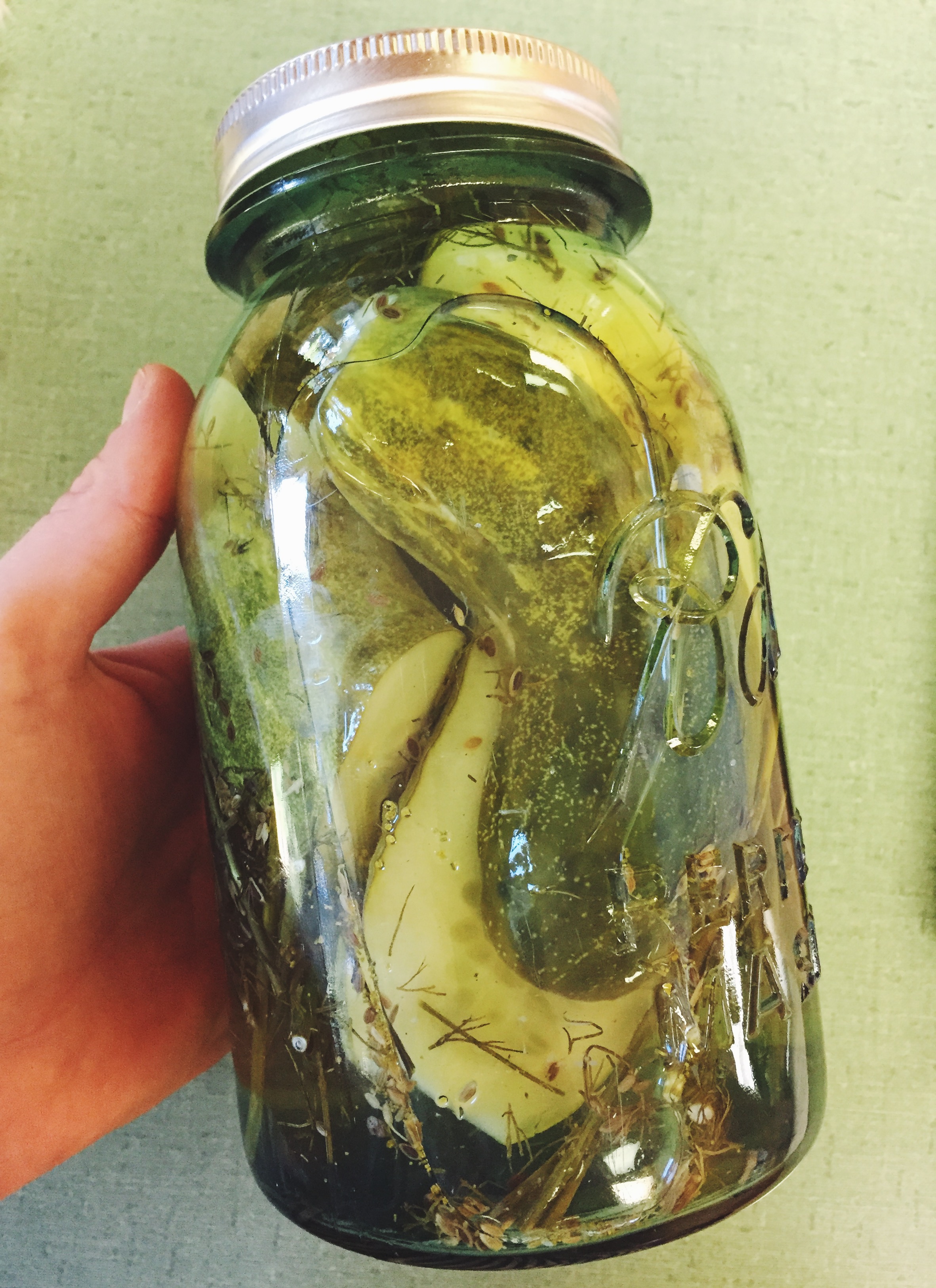
There are two ways to make pickles: vinegar and brine. Using vinegar is the most common way to pickle, but it drastically inhibits the growth of pathogenic microbes and yeasts and doesn't give us the variety of probiotics that fermenting in brine does. Consuming vinegar, however, is good for us in other ways. There is a lot of conflicting evidence regarding vinegar’s actual health benefits, but what we do know for a fact that the acid content can help to acidify the stomach and therefore aid in the digestive process which is huge. Read more here about the importance of stomach acid in the gut and why most of us actually have to little rather than too much (and then get dive deeper into this book by Jonathan Wright).
If you’re new to pickling, it’s a good idea to start with recipes that include vinegar, since they require less skill and produce more consistent results. My first brine pickle making attempt failed miserably (I got the salt water proportions all wrong. Too excited to read directions). So I'm going to provide you with both methods to pickle so you can experiment with each!
For this pickling adventure, we went to the masters. Here is Grandpa Rankin & Carol's Dill Pickle recipe. These guys are the real deal:

Vinegar Dill Pickles
Ingredients (For multiple quart jars)
3 quarts water
1 quart vinegar (we used apple cider vinegar)
1 cup pickling salt or sea salt (any non-iodized salt)
Garlic cloves, peeled (2 cloves per jar)
Red pepper flakes or small hot red peppers (1-2 per jar depending on desired spice)
Fresh dill
Pickling cucumbers (we had 20lbs and used about 4-5 per quart jar, but you can do it with any amount!)
Directions
In a large pot heat water, salt and vinegar to boiling.
In each jar put 2 cloves of garlic, 1-2 small hot red peppers or 1/4 teaspoon red pepper flakes, and a few fresh dill sprigs at the bottom.
Cut 1/4 inch off the blossom end of the cucumber. Find the blossom end by looking for the rough dot (instead of the smooth, indented dot) at the end of the cucumber. Why? There’s an enzyme in the blossom that can make the pickle soft and possibly unsafe to eat they tell me.
Stuff jars with pickles (we fit about 4-5 in each quart jar).
Top with more dill.
Fill jars (leaving 1/4 inch of space at the top) with hot brine liquid.
Seal jars and store in a cool, dry place for 6 weeks.
Open jars 6 weeks later and have yourself a pickle party.
Brine Pickles
Ingredients (for 1 quart jar)
4-6 small pickling cucumbers
1 quart water
2 tbsp sea salt
1-2 garlic cloves, chopped
1-2 tsp dill seed
1/4 cup fresh dill
2-4 fresh horseradish leaves, grape leaves, or 1 oak leaf
Optional spices: Coriander, cumin, red pepper flakes, mustard seeds, cinnamon, and caraway.
Directions
Soak cucumbers in ice water for an hour to enliven them.
Place leaves, garlic, and spices in the bottom of a quart jar.
Add the cucumbers into the jar, packing them in tightly.
Dissolve the sea salt in the water and pour it over the cucumbers. If the cucumbers are not completely submerged in the water, add extra salt and water to cover them.
Leave 1-inch of space between the top of the water and the top of the jar and cover loosely with a kitchen towel or cheesecloth (if using cheesecloth, secure with rubber band). If using a jar with a clamp lid, remove the plastic seal. For screw tops, twist on half way.
Leave on your counter in a cool place for 3-7 days. Check daily. The liquid will begin to get cloudy and slightly bubbly. When pickles reach desired taste, cover and refrigerate.
*Recipe from the Institute of Integrative Nutrition

Why Our Current Healthcare System Isn't Enough
Our Western medical establishment typically defines alternative medicine as any practice that doesn’t come from evidence gathered using the scientific method. And while I believe standards and regulations to be crucially important when creating guidelines to treat human beings, (do you want your surgeon doing anything other than the gold standard?) I do believe this labeling creates a very limited viewpoint.
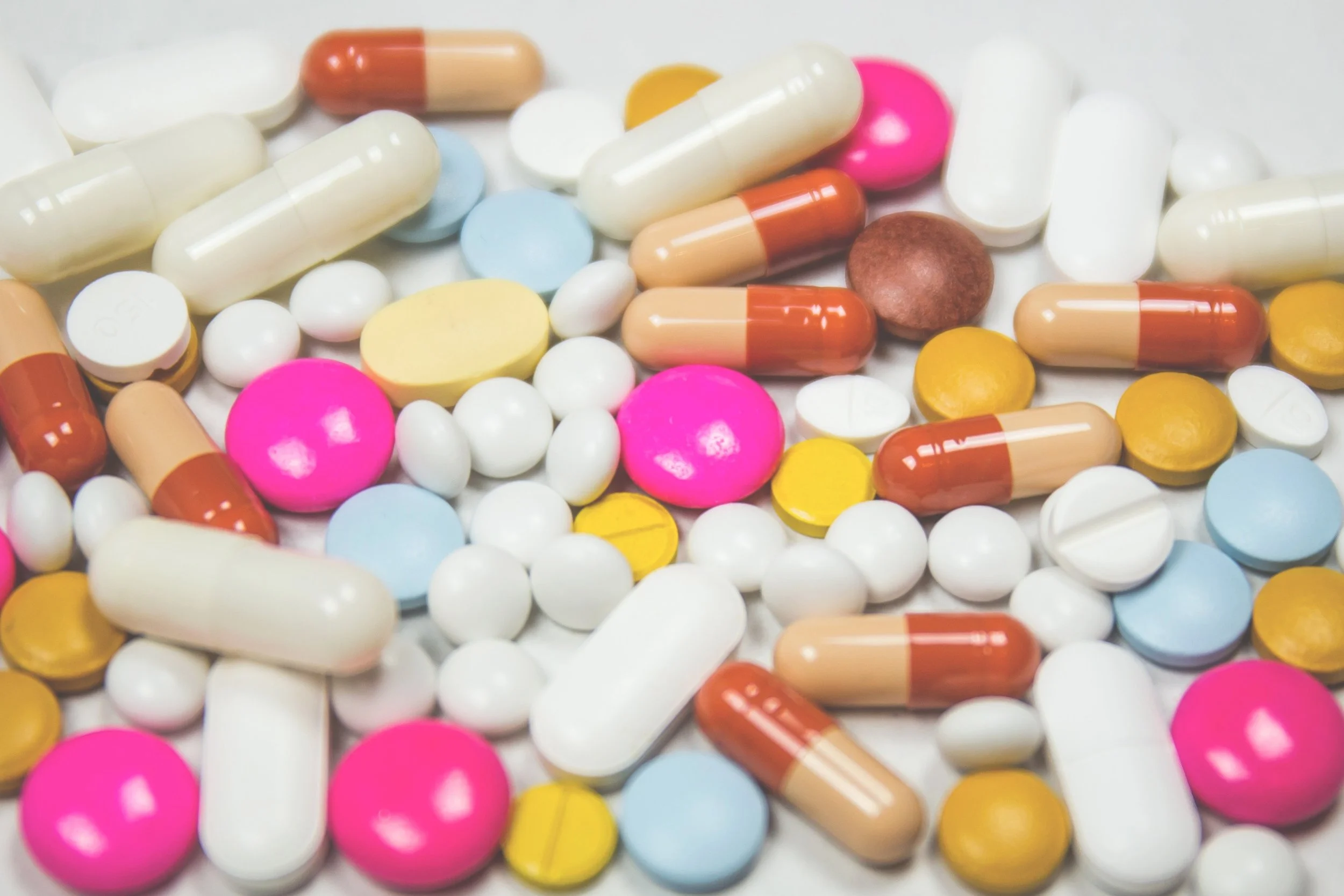
I am a holistic health and nutrition coach. I believe that all areas of our lives work together to influence our health and manifestations of disease. I believe tangibly reducing stress levels and eating nutrient-dense foods to be just as prescriptive as pharmaceutical medications at times. I believe in the power of food as medicine. I’ve experienced healing through acupuncture, therapy, meditation, reiki, and herbs and witnessed these effects on countless others.
I am also a critical care trained registered nurse. I believe that conventional medicine is awe-inspiring and important. I have seen people who were terminally ill get new hearts transplanted from another human being that died. I have cared for these people and have seen how these miraculous surgical interventions conducted by supremely skilled doctors gave them new life. Personally, I owe my life to pharmaceuticals that worked to quiet my immune system when it was on overdrive during my first flare up of autoimmune disease. And should I suffer a stroke or break a bone, you better believe I wouldn’t be reaching for herbs or meditating on it.
One might think that these two beliefs and occupations of mine go hand in hand and complement each other nicely. But in reality, it’s almost as if I work within two different worlds.
When I am working as an RN at the hospital, I help identify if there are blockages in the coronary arteries through stress testing and interpretation of electrocardiograms. If there are, patients are sent to get stents or bypass surgery to open up the blockages and preserve their heart function. I don’t talk to anyone about why they actually have blockages in their hearts in the first place or what they can do in addition to surgery and pharmaceutical medications to help heal themselves. Some doctors do have these conversations almost as an afterthought about the effects of diet and lifestyle, but most of the time patients don’t even know there are alternatives to consider.
It’s easier to just prescribe a pill than to spend time investigating underlying causes of disease which can be complex and multifaceted. And often times it’s what patients want or are used to - the quick fix
When I work as a holistic health coach, I look at all areas of clients lives to see where things are out of balance and together we explore ways to get back to health, mainly through diet and lifestyle modifications.
Sometimes, moving towards a whole foods diet to feel better in our bodies can be considered an alternative or complementary approach.
Alternative. That’s the loaded word I really wanted to talk about.
Our Western medical establishment typically defines alternative medicine as any practice that doesn’t come from evidence gathered using the scientific method. And while I believe standards and regulations to be crucially important when creating guidelines to treat human beings, (do you want your surgeon doing anything other than the gold standard?) I do believe this labeling creates a very limited viewpoint.
In our Western medical model it is currently considered an “alternative” notion that the food we put into our bodies has a direct effect on manifestation of disease states and, generally, how we feel. Honestly, it really is. I see it every day. When treating someone with an autoimmune thyroid condition the current recommendation from a conventional standpoint is a replacement of thyroid hormones. Rarely is there any further investigation into underlying cause (a thyroid problem is not simply a deficiency of thyroid medication) or the very real and detrimental effects of stress on the adrenals and thyroid, or the possibility of a poor, sugar-laden diet contributing to inflammation and the disease state.
What I’ve come to know over time is that the best solution lies in the middle. Complex illness requires a mix of conventional, pharmaceutical or surgical treatments as well as attention to diet, digestive health, stress, relationships and our environment. We are doing ourselves a huge disservice to limit ourselves one or the other. It requires a team approach to be able to address all of these underlying factors, each bringing their own unique knowledge.
As Danielle Laporte, self-help guru says, “There is a time and place for everything. Knowing the right time and right place is how you become your own healer.”
In terms of healing and treating disease in a real and effective way, truer words have never been spoken.
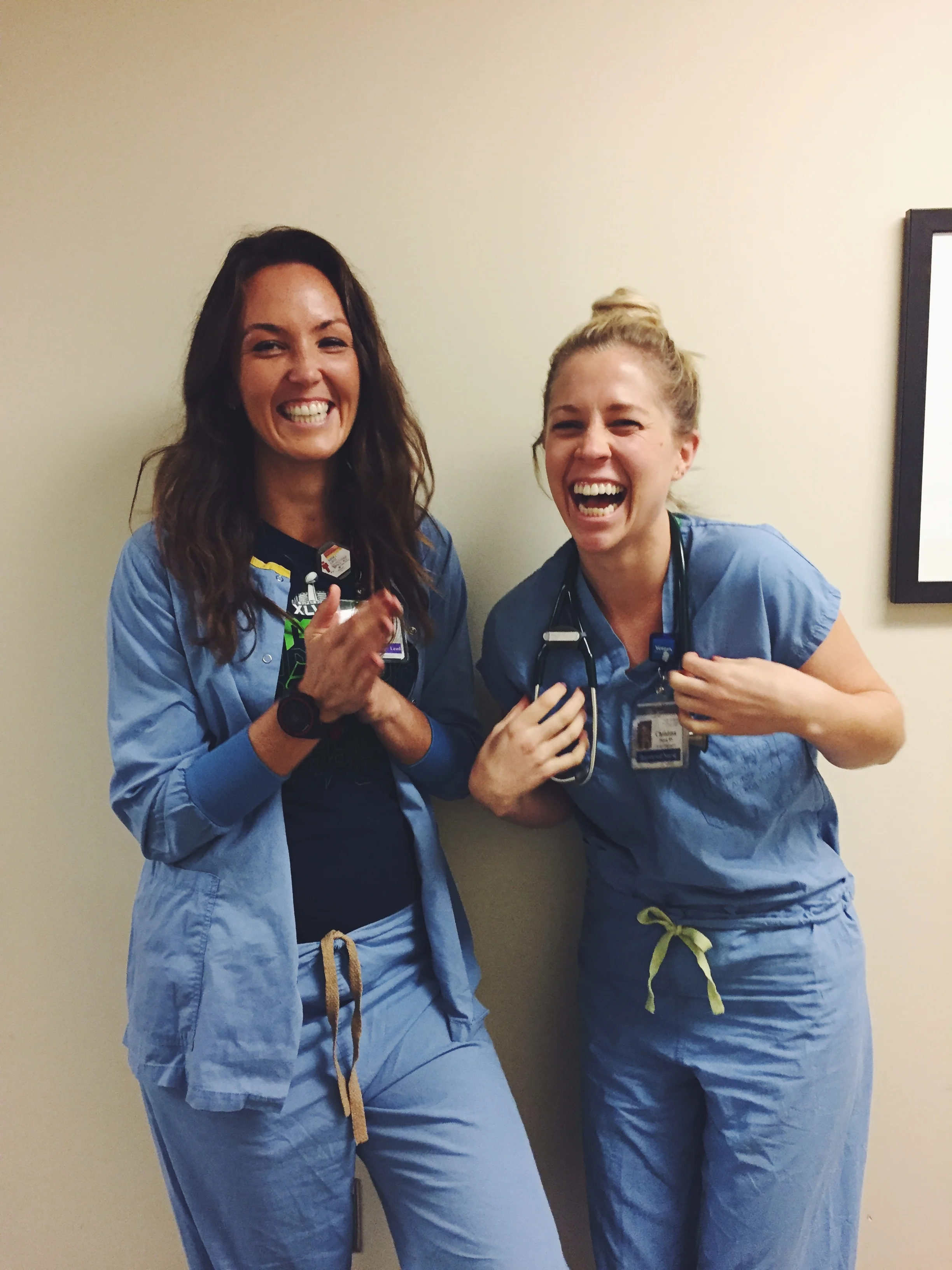
A branch of medicine called Functional medicine is emerging to better address the health care needs of our current world. Functional medicine works to tie together conventional and alternative healing modalities to add as many tools as we can to our toolkit. It works to find the underlying causes of disease rather than simply masking symptoms using a systems-oriented approach and engaging both the patient and practitioner in a therapeutic partnership.
This is the approach that is needed for true healing to occur. The current model we are working in is not enough. If we’re being honest with ourselves we know this to be true. We need both advanced technology and ancient wisdom. We need open minds and a broader acceptance for what is considered “alternative.” If we are in the alternative or natural healing world we need not shame those who require pharmaceuticals and conventional interventions to heal. There is a time and a place for each and we need to call on both for true healing to occur.
If you want some more information about Functional Medicine or about how you can get connected to a pracititonor, feel free to email me . If you want to chat more about how to incorporate healthy whole foods into your diet successfully and how you might benefit from one-on-one health coaching, click the button below to book in a free 30 minute discovery session to chat. I'd love to hear from you!
With Love,
Christina Tidwell, MN, RN, CHC